Why a VR Player Is Fundamentally Different from a Video Player

Kirill Virovets
Product design
min read
Why a VR Player ≠ a Video Player
At first glance, a VR player looks simple.
It plays video — just like any traditional video player.
That assumption is one of the most common — and most expensive — mistakes in VR product development.
A VR player isn’t just “a video player in a headset”.
It’s a fundamentally different immersive media product, built for a different medium.
How users consume video in 2D video players
In a regular 2D video app, the experience is predictable and familiar.
Users:
look at a flat screen
interact with buttons and menus
passively consume content
tolerate small UX or performance issues
If something feels slightly off, users may get annoyed —
but they usually stay.
This model works because the user is outside the content, observing it.
Most traditional video players are designed around this passive behavior.
How users experience content in VR players
In VR, the situation changes completely.
Users:
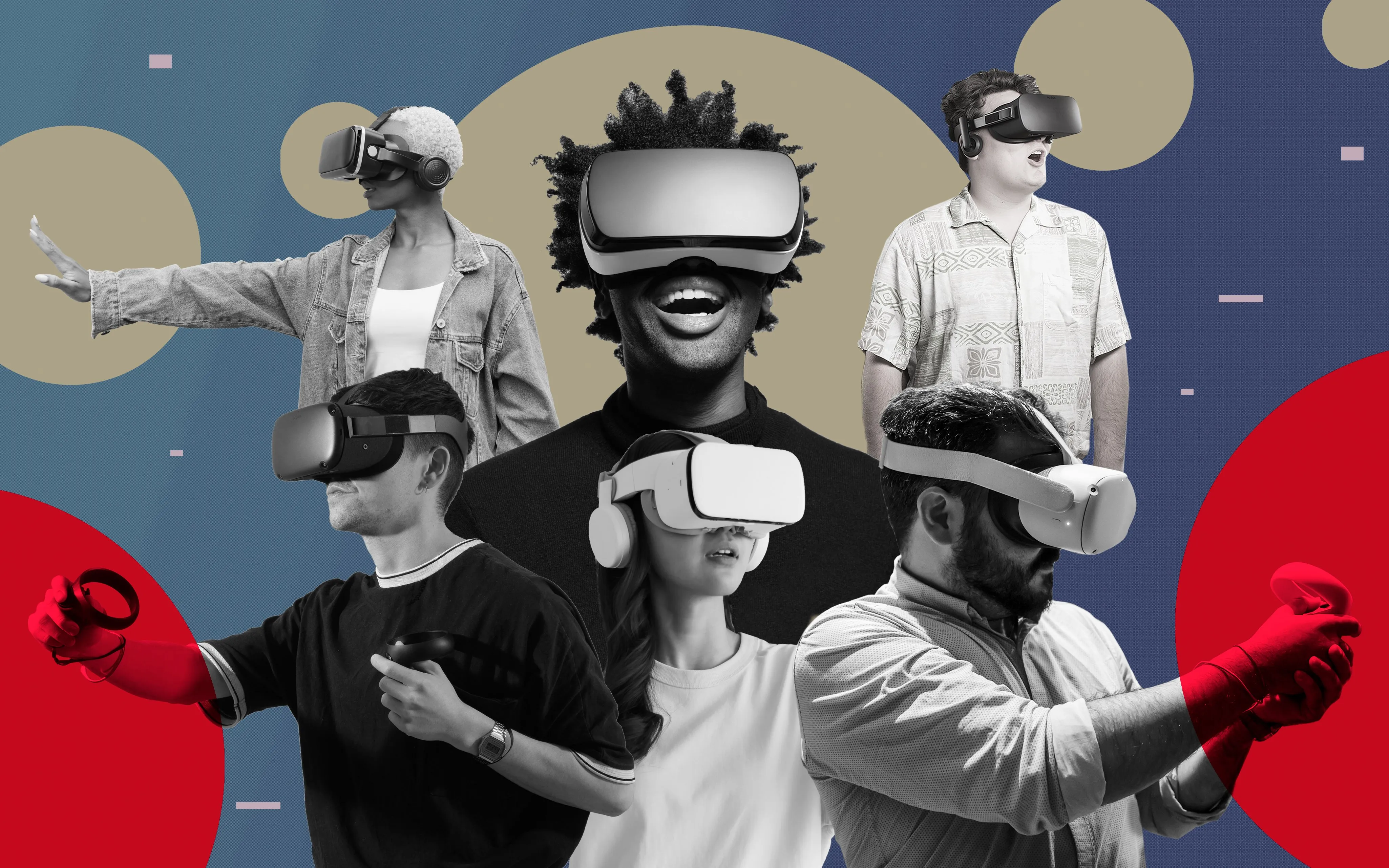
are inside the content
move their head and body continuously
interact in 3D space
feel discomfort immediately if something is wrong
Here, the user isn’t watching the product.
They are physically participating in the experience.
That makes VR user experience (VR UX) far less forgiving than in 2D apps.
What this changes for VR product design
Because of this shift, core VR product rules change:
UX becomes physical, not visual
Poor placement, scale, or motion isn’t just inconvenient — it’s exhausting.
Performance equals comfort
In a VR player, performance issues like FPS drops, latency, or stutters don’t feel like “bugs”.
They feel like nausea.
Navigation is part of immersion
Menus, transitions, and controls directly affect how real the immersive experience feels.
Small UI mistakes break the experience
Issues that would be “minor” in 2D video players can instantly end a VR session.
In VR, users rarely complain.
They simply leave.
The business consequence for VR products
This is why designing a VR player like a traditional video player fails.
Even with:
great video quality
strong content
advanced features
Users won’t stay if the experience feels uncomfortable or confusing.
In VR products:
retention depends on comfort
churn happens fast
the first session defines long-term value (LTV)
Different medium → different product rules
Calling both products a “player” is misleading.
They may share a name,
but VR players and video players follow completely different logic, metrics, and constraints.
Understanding this difference isn’t a design preference.
It’s a product and business necessity for anyone building immersive VR experiences.
Stay informed with the latest guides and news.